
Solar Power for Factories and Production Units
Align solar generation with your machinery load and production hours to optimise energy costs across your factory's operating schedule.
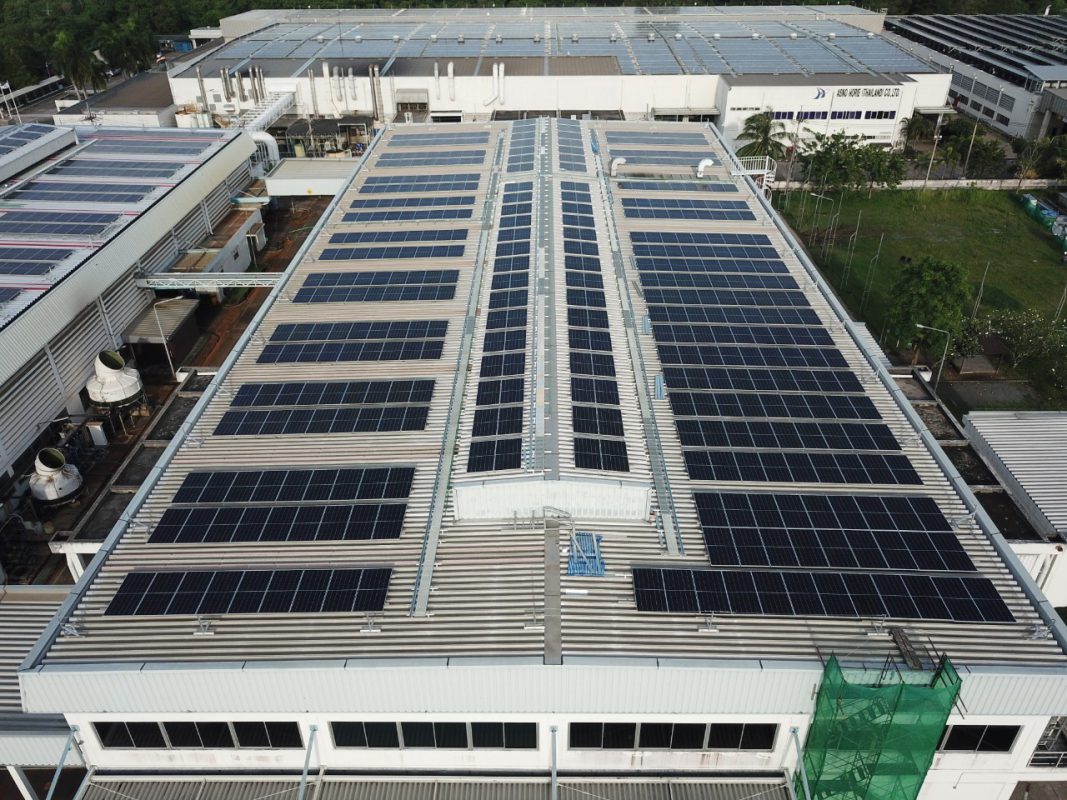
Solar Sized Around Your Machinery Load
Factory electricity consumption is driven primarily by machinery running through defined production shifts, which makes an accurate energy audit the essential starting point for any factory solar project. Rather than simply maximising panel count on available roof space, we analyse your load profile hour by hour to understand how much of your machinery consumption genuinely overlaps with solar generation hours, then size the system to deliver the strongest possible offset against that specific pattern — supported by performance monitoring and a preventive maintenance plan that keeps output consistent over the system's operating life.
Who is this solution suitable for?
Key Benefits
Data-Driven Sizing
System capacity based on an actual energy audit, not roof-area guesswork.
Aligned to Production Hours
Design accounts for shift patterns and machinery duty cycles.
Performance Monitoring
Ongoing visibility so underperformance is caught early, not late.
Preventive Maintenance
Scheduled upkeep designed to protect long-term output consistency.
How the System Works
- 1 An energy audit maps your factory's hourly load profile against solar generation potential for the site.
- 2 Panels installed across shed or terrace roofing generate DC power aligned with this consumption pattern.
- 3 Industrial inverters convert this to AC power feeding your machinery and general factory loads directly.
- 4 A monitoring platform tracks actual performance against the audit's projections, flagging any deviation.
Get a Free Site Assessment
Tell us about your property and our team will call you back.
Available System Capacity
Indicative starting points — final sizing depends on your actual consumption and rooftop or land area.
| System Capacity | Typically Suitable For | Approx. Area Required | Indicative Monthly Generation |
|---|---|---|---|
| 50 kW – 150 kW | Small to mid-size production units | 4,500 – 13,500 sq. ft | 6,000 – 18,000 units/month |
| 150 kW – 300 kW | Larger single-shift factories | 13,500 – 27,000 sq. ft | 18,000 – 36,000 units/month |
| 300 kW – 750 kW | Multi-shift production facilities | 27,000 – 67,500 sq. ft | 36,000 – 90,000 units/month |
| 750 kW+ | Large factory campuses | As per site survey | As per system design |
What Goes Into the System
Every installation is built from certified, compatible components sized for your load.
High-Wattage Panels
Selected to maximise generation density on available shed roofing.
Industrial Inverters
Sized for three-phase machinery loads and higher fault currents.
Shed-Roof Structures
Engineered mounting compatible with metal sheet or RCC factory roofs.
Industrial Protection Equipment
DCDB/ACDB, surge protection sized for factory-scale current.
Performance Monitoring
Generation vs. audit-projection tracking for your plant team.
Energy Audit Report
A baseline document your team can reference for ongoing optimisation.
Suggested Installation Process
A clear, transparent path from enquiry to handover.
Energy Audit
Hour-by-hour load analysis against solar generation potential.
Structural Assessment
Roof strength and layout evaluation for safe panel placement.
System Design & Quote
Sizing calibrated to your actual production-hour consumption.
Documentation
Support with applicable connection and net-metering paperwork.
Phased Installation
Sequenced to avoid disrupting ongoing production shifts.
Testing, Handover & Monitoring
Commissioning plus performance-tracking dashboard setup.
What Affects Your Project Cost
- System capacity determined by the energy audit findings, not just roof area
- Shed roof condition and any reinforcement or waterproofing needed
- Protection equipment sized for your factory's electrical fault levels
- Cable routing across potentially large shed layouts
- Preventive maintenance plan scope agreed alongside the installation
Estimated Savings Potential
Because the system is sized against your actual hourly machinery load rather than a generic estimate, the resulting offset is calibrated to what your factory can realistically self-consume — helping avoid both under-sizing (leaving savings on the table) and over-sizing (paying for capacity you can't use).
Use our interactive calculator on the homepage for an indicative estimate based on your own electricity bill and rooftop area.
Calculate Your SavingsSubsidy Applicability
Factory and production-unit connections generally fall outside the central residential rooftop subsidy scheme. Accelerated depreciation benefits under applicable tax provisions and any current state industrial solar incentives are the more relevant avenues to evaluate — our team can point you toward current guidance.
View Full Subsidy GuideFinance Options
Factory-scale systems are commonly financed through business term loans or equipment finance, with terms depending on the unit's financial profile and the lender's underwriting policy.
Explore EMI & FinanceMaintenance Requirements
Preventive maintenance is central to factory solar — our AMC plans include scheduled cleaning, electrical inspection, and performance-ratio tracking against the original energy audit baseline, so any drop in output is identified and addressed quickly.
Solar Maintenance PlansIllustrative Project Examples
Representative examples of the scale and outcomes this solution supports.
120 kW Production Unit System
120 kW / On-Grid
A single-shift production unit offset machinery load following a detailed energy audit.
300 kW Multi-Shift Factory System
300 kW / On-Grid
A multi-shift factory phased installation to align with its extended operating hours.
80 kW Packaging Unit System
80 kW / On-Grid
A packaging facility used its shed roof for a system sized around daytime line operations.
Why Choose Sarth Solar for Factory Solar
Audit-First Approach
We size systems around real data, not assumptions.
Documentation Support
Assistance with industrial connection paperwork.
Production-Aware Scheduling
Installation sequenced to protect your output targets.
Safety-First Execution
Trained crews follow factory electrical safety protocols.
Preventive Maintenance Plans
AMC scope built around your energy audit baseline.
Transparent, Audit-Backed Pricing
Costing tied directly to a documented energy analysis.
Related Solar Solutions
Factory Solar — Frequently Asked Questions
The audit maps your factory's hourly electricity consumption against solar generation potential for your site, forming the basis for system sizing recommendations.
No — the audit is primarily a data review and site assessment process and does not require stopping production.
Factory solar specifically emphasises alignment with machinery duty cycles and shift patterns through a dedicated energy audit, while broader industrial solar covers a wider range of facility types.
Yes, the energy audit accounts for your specific shift pattern, though systems still primarily generate during daylight hours regardless of shift timing.
Factory connections generally fall outside the central residential subsidy scheme; accelerated depreciation and state industrial incentives are typically more relevant.
Frequency depends on your specific environment — factories with higher dust or particulate levels may need more frequent cleaning, addressed in your AMC schedule.
Our monitoring platform flags any deviation from projected performance, allowing our maintenance team to investigate and address the cause promptly.
Integration approaches depend on your existing systems and are assessed case-by-case during the design phase.
This depends on your tariff category, load factor and audit findings; industrial and factory customers often see favourable paybacks due to high daytime consumption.
Enquire About Factory Solar
Fill in your details — our team typically responds within one business day.