
Industrial-Scale Solar for Manufacturing Units
High energy consumption and large rooftops make manufacturing facilities strong candidates for solar. Optimise long-term energy costs with an engineered industrial system.
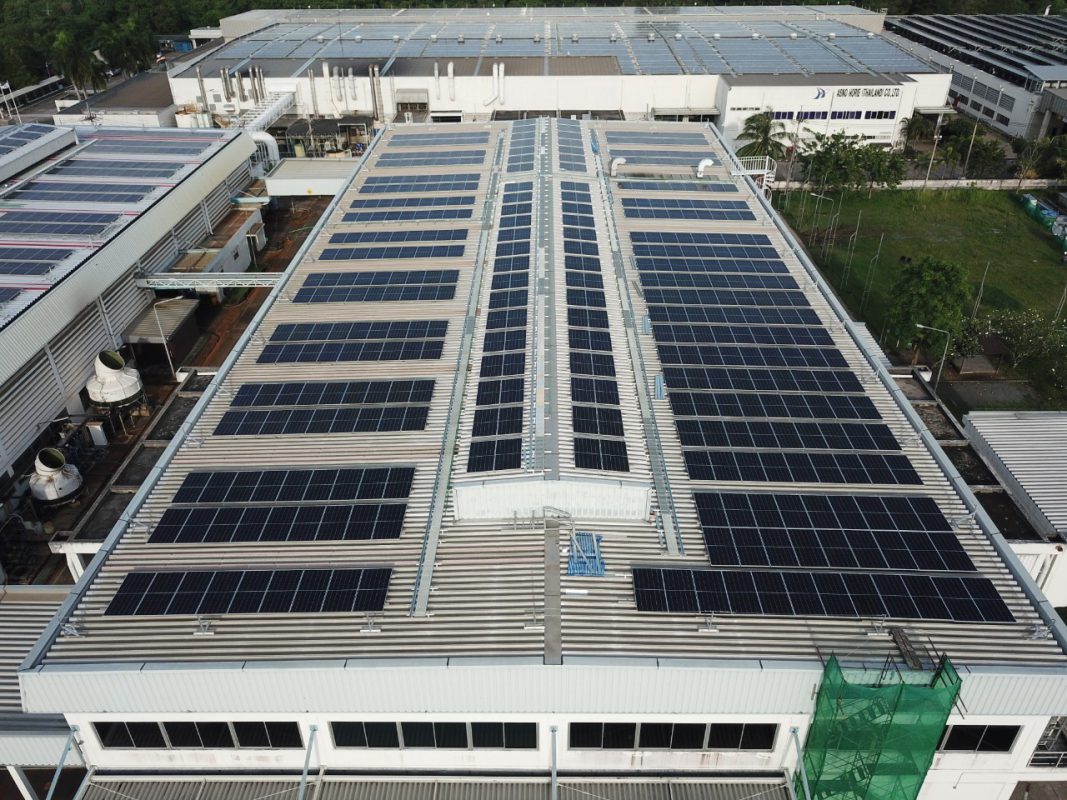
Engineered Solar Capacity for High-Consumption Facilities
Manufacturing units typically run heavy machinery for extended hours and carry some of the highest electricity bills of any customer category, which makes energy cost optimisation a meaningful lever on overall production economics. Industrial solar installations use large rooftop or shed areas — and where necessary, ground-mounted arrays — to deliver capacities well beyond typical residential or commercial systems. Every industrial project begins with a structural assessment and a detailed energy audit, because factory roofs vary widely in load-bearing capacity, and machinery load profiles determine how much of the generated solar power can realistically be self-consumed.
Who is this solution suitable for?
Key Benefits
Sized for Heavy Loads
Systems engineered around your machinery and shift-wise consumption pattern.
Structural Safety First
Formal load-bearing assessment before any design is finalised.
Performance Monitoring
Granular generation and fault-alert data for plant engineering teams.
Long-Term ROI
Energy cost optimisation that compounds over the operating life of the plant.
How the System Works
- 1 Large-format panel arrays across shed roofs, RCC terraces, or adjoining land generate DC power through the day.
- 2 Industrial-grade string or central inverters convert this to AC power synchronised with your plant's electrical infrastructure.
- 3 Machinery and process loads draw solar power directly during production hours, reducing grid-drawn units.
- 4 A monitoring platform tracks generation, consumption offset, and any faults for your maintenance or facilities team.
Get a Free Site Assessment
Tell us about your property and our team will call you back.
Available System Capacity
Indicative starting points — final sizing depends on your actual consumption and rooftop or land area.
| System Capacity | Typically Suitable For | Approx. Area Required | Indicative Monthly Generation |
|---|---|---|---|
| 100 kW – 250 kW | Small to mid-size manufacturing units | 9,000 – 22,500 sq. ft | 12,000 – 30,000 units/month |
| 250 kW – 500 kW | Larger production facilities | 22,500 – 45,000 sq. ft | 30,000 – 60,000 units/month |
| 500 kW – 1 MW | Multi-shed industrial campuses | 45,000 – 90,000 sq. ft | 60,000 – 120,000 units/month |
| 1 MW+ | Large industrial estates (rooftop + ground-mount) | As per site survey | As per system design |
What Goes Into the System
Every installation is built from certified, compatible components sized for your load.
Industrial-Grade Panels
High-wattage modules selected for large-format shed and terrace roofs.
String/Central Inverters
Sized for three-phase industrial connections and higher fault currents.
Reinforced Structures
Engineered for shed roofs, RCC terraces or ground-mount, per site survey.
Industrial Cabling & Protection
DCDB/ACDB, surge and arc-fault protection sized for the plant load.
SCADA-Style Monitoring
Detailed generation, fault and performance-ratio reporting.
Safety & Compliance Kit
Earthing, lightning protection and signage per site safety norms.
Suggested Installation Process
A clear, transparent path from enquiry to handover.
Enquiry & Consultation
Initial discussion on plant load, roof area and energy goals.
Structural & Load Assessment
Engineering evaluation of roof strength and safe mounting zones.
System Design & Quote
Detailed single-line diagram and itemised industrial proposal.
Approvals & Documentation
Support with applicable connection and net-metering paperwork.
Phased Installation
Work sequenced to avoid disruption to ongoing production.
Testing, Handover & Monitoring
Commissioning, staff training and monitoring dashboard setup.
What Affects Your Project Cost
- Total installed capacity and chosen panel/inverter technology
- Roof structural reinforcement or ground-mount civil work, if required
- Cable run lengths across large shed layouts
- Protection and monitoring equipment specified for plant-scale operations
- Site access, crane/logistics requirements for heavier installations
Estimated Savings Potential
Industrial tariffs and high absolute consumption mean even a moderate percentage offset can translate into substantial rupee savings over a year. Actual figures depend on your shift pattern, machinery load profile, and how closely solar generation hours align with your production schedule.
Use our interactive calculator on the homepage for an indicative estimate based on your own electricity bill and rooftop area.
Calculate Your SavingsSubsidy Applicability
Industrial and manufacturing connections generally fall outside the central residential rooftop subsidy scheme. Facilities should evaluate accelerated depreciation benefits under applicable tax provisions, and check with our team for any current state industrial solar policies — these change periodically and vary by state.
View Full Subsidy GuideFinance Options
Industrial-scale systems are often financed through business term loans, equipment finance, or structured energy-service arrangements with finance partners, depending on the facility's balance sheet and the lender's assessment.
Explore EMI & FinanceMaintenance Requirements
Given the scale involved, industrial systems typically run under a formal Annual Maintenance Contract covering scheduled cleaning, preventive electrical checks, thermal inspection where applicable, and continuous performance monitoring to catch underperformance early.
Solar Maintenance PlansIllustrative Project Examples
Representative examples of the scale and outcomes this solution supports.
200 kW Manufacturing Unit Rooftop
200 kW / On-Grid
A mid-size manufacturing facility used its shed roof for a 200 kW array aligned with daytime production hours.
450 kW Multi-Shed Facility
450 kW / On-Grid
A multi-unit plant phased installation across three shed roofs to minimise production disruption.
120 kW Cold Storage Facility
120 kW / On-Grid
A cold storage unit offset a portion of its continuous compressor load with a rooftop array.
Why Choose Sarth Solar for Industrial Solar
Engineering-Led Design
Structural assessment and load studies precede every industrial proposal.
Documentation Support
Assistance navigating connection and net-metering requirements.
Phased, Low-Disruption Installation
Work sequenced around your production schedule.
Safety-First Execution
Trained crews follow industrial electrical safety protocols.
Dedicated AMC Support
Preventive maintenance plans built for plant-scale systems.
Transparent, Itemised Costing
Clear cost breakdowns for capital planning and approvals.
Related Solar Solutions
Industrial Solar — Frequently Asked Questions
This depends on the roof's structural condition, sheeting type and age. Our team conducts a structural assessment before finalising any design.
This depends on available roof/land area, sanctioned load, and your DISCOM's connection policy for industrial net metering — assessed during the site survey.
We sequence work in phases wherever possible to minimise disruption, and coordinate closely with your facilities team on timing.
The central residential subsidy scheme does not typically apply to industrial connections; accelerated depreciation and state-specific incentives may be relevant and should be evaluated with your tax advisor.
Our monitoring solutions provide generation, fault-alert and performance-ratio data suited to plant engineering and facilities teams.
A structured AMC covering scheduled cleaning, electrical checks and performance monitoring is recommended given the scale of industrial systems.
Integration approaches vary by site and existing electrical infrastructure; this is assessed case-by-case during system design.
Timelines vary significantly with system size and site complexity — typically several weeks to a few months for larger installations, sequenced to avoid production disruption.
Payback depends on tariff category, load factor, and financing terms; industrial customers often see favourable economics due to high absolute consumption.
Enquire About Industrial Solar
Fill in your details — our team typically responds within one business day.