
Solar Panels — Technology, Specifications and Selection Guide
The panel technology you choose affects efficiency, degradation and long-term output. Understand your options before you decide.
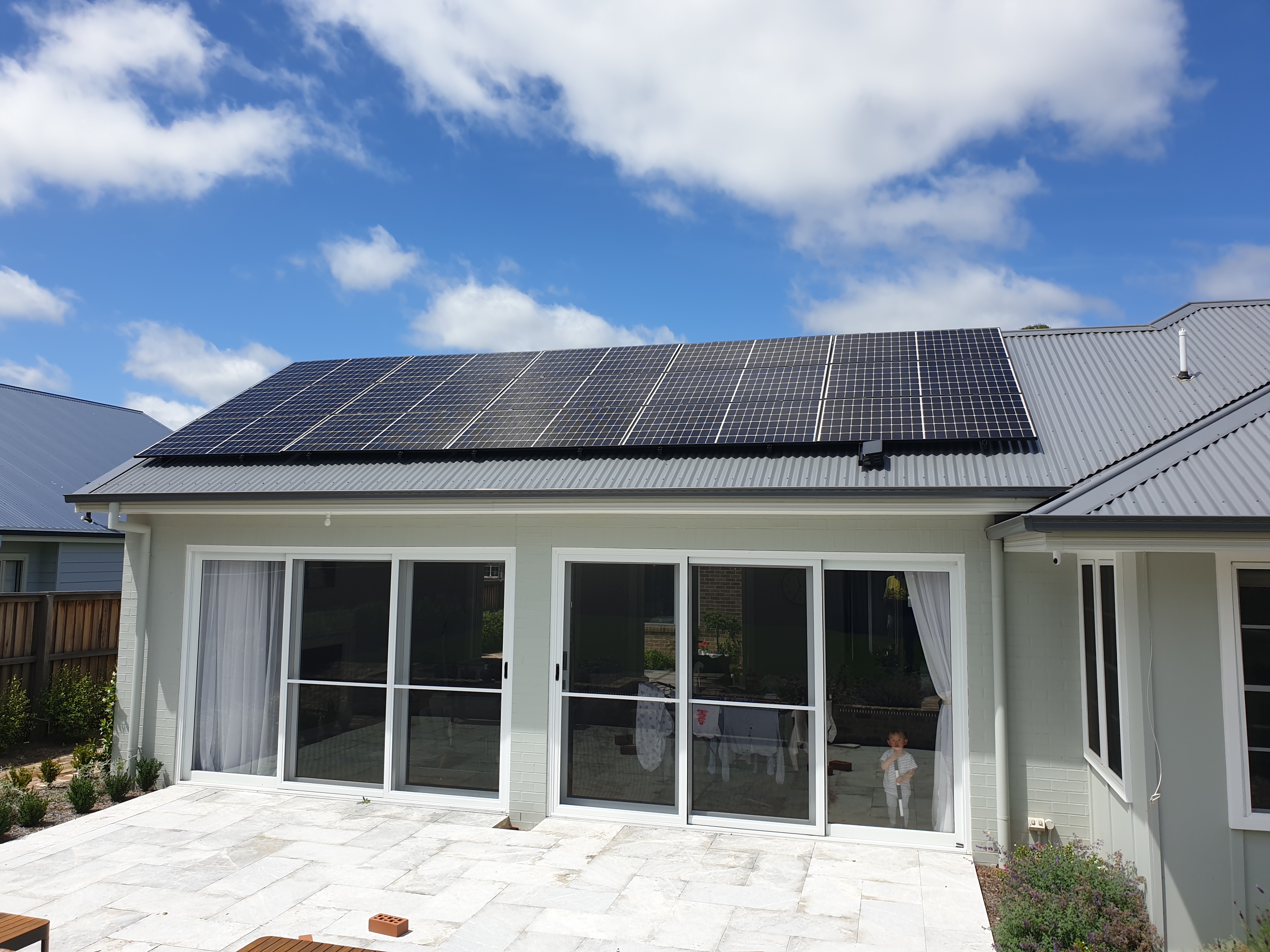
Choosing the Right Solar Panel for Your System
A solar panel (or module) converts sunlight into direct current (DC) electricity using an array of interconnected photovoltaic cells. Panel choice affects three things that matter over the 20+ year life of your system: how much electricity you generate per square foot of roof (efficiency), how much output you retain over decades of sun and heat exposure (degradation), and how much you pay upfront. We work with Mono PERC, TOPCon, polycrystalline and bifacial panel technologies, and help you weigh these trade-offs against your specific roof area and budget rather than defaulting to a single option for every customer.
Product Categories
Mono PERC Panels
Widely used monocrystalline panels offering a strong efficiency-to-cost balance for most residential and commercial roofs.
TOPCon Panels
Newer-generation monocrystalline technology offering higher efficiency and typically lower temperature-related losses.
Polycrystalline Panels
A more budget-oriented option, generally with slightly lower efficiency than monocrystalline alternatives.
Bifacial Panels
Capture sunlight from both the front and rear surface, useful for elevated or ground-mounted installations with reflective surroundings.
How It Works
Each solar cell within a panel is made from a semiconductor material (typically silicon) that generates a flow of electrons when struck by sunlight — the photovoltaic effect. Cells are wired together in series and parallel within the panel to produce a usable DC voltage and current, which the inverter then converts into AC electricity for your home or business.
Ask a Product Question
Our solar engineers can help you choose the right option.
What Makes This Product Reliable
Specification Overview
Indicative ranges — exact specifications vary by selected brand and model.
| Specification | Typical Range | What It Means |
|---|---|---|
| Panel Efficiency | 18% – 22.5% | Higher efficiency generates more power from the same roof area |
| Wattage per Panel | 375W – 585W | Depends on panel size and cell technology |
| Temperature Coefficient | -0.34%/°C to -0.29%/°C | Lower (closer to zero) means less output loss in heat |
| Annual Degradation | ~0.4% – 0.55% per year | Expected gradual decline in output over the panel's life |
| Product Warranty | Typically 10 – 12 years | Covers manufacturing defects in the physical panel |
| Performance Warranty | Typically 25 years | Guarantees a minimum output percentage over this period |
Available Capacity Options
| Capacity / Model Range | Typically Suitable For | Notes |
|---|---|---|
| 375W – 450W (Mono PERC) | Standard residential rooftop use | Balanced cost-to-efficiency ratio |
| 440W – 550W (TOPCon) | Homes and businesses prioritising efficiency | Better performance in higher temperatures |
| 330W – 400W (Polycrystalline) | Budget-conscious installations with ample roof area | Slightly lower efficiency per sq. ft |
| 450W – 585W (Bifacial) | Elevated or ground-mounted systems | Additional rear-side generation where applicable |
How to Choose the Right Option
If your rooftop area is limited relative to your desired system size, prioritise higher-efficiency Mono PERC or TOPCon panels to maximise output per square foot. If you have generous, unshaded roof area and want to minimise upfront cost, polycrystalline panels remain a reasonable option. For elevated structures or ground-mounted systems over reflective surfaces (light-coloured terrace, gravel, or white membrane roofing), bifacial panels can add a meaningful generation bonus. Our team reviews your specific roof measurements and budget during the site survey to recommend the most cost-effective technology for your situation, rather than upselling the highest-spec option by default.
Compatibility Information
Panels are matched to a compatible inverter based on voltage and current characteristics — our design team ensures the panel array configuration (series/parallel stringing) is correctly matched to your chosen inverter's input specifications before finalising your system design, so there's no compatibility guesswork on your end.
Warranty Information
Most panels carry two separate warranties: a product warranty (typically 10–12 years) covering manufacturing defects in the physical panel, and a longer performance warranty (typically 25 years) guaranteeing the panel won't degrade below a specified output percentage. Exact terms vary by manufacturer and are provided in your project documentation.
Maintenance Information
Panels need periodic cleaning to remove dust, pollen and residue that block sunlight, along with occasional visual inspection for physical damage or loose mounting. See our Solar Maintenance page for cleaning schedules and AMC options.
Buying Considerations
Beyond price per watt, compare efficiency, temperature coefficient, degradation rate, and warranty terms together — a slightly more expensive panel with better temperature performance can outperform a cheaper one in Lucknow's hot summers. Also confirm the manufacturer's local service and warranty-claim support before committing.
Common Use Cases
Related Products
Solar Panels — Frequently Asked Questions
TOPCon generally offers higher efficiency and better high-temperature performance than Mono PERC, but typically costs more per watt. Mono PERC remains a strong, cost-effective choice for most standard rooftop installations.
Efficiency is the percentage of sunlight a panel converts into usable electricity. Higher efficiency means more power generated from the same panel area, which matters most when roof space is limited.
Most modern panels degrade at roughly 0.4% to 0.55% per year after an initial slightly higher first-year drop, meaning a panel might retain around 85–90% of its original output after 25 years.
This depends on your installation — bifacial panels add the most value on elevated or ground-mounted systems with a reflective surface beneath them; on standard rooftop installations, the additional benefit is often smaller.
Product warranty covers manufacturing defects in the physical panel over a shorter period; performance warranty guarantees a minimum output level over a much longer period, typically 25 years.
This depends on your desired system capacity (kW) divided by the wattage of your chosen panel — our site survey and design process calculates this specifically for your roof and consumption pattern.
Yes, though very high summer temperatures can slightly reduce output due to the temperature coefficient effect — panels with a better (lower) temperature coefficient perform comparatively better during peak summer heat.
Generally, panels should be matched in specification within the same string for optimal performance; mixing is possible in certain configurations but is best assessed by our design team.
With proper installation and maintenance, panels are generally expected to remain functional and productive for 25 years or more, though gradual output decline occurs throughout this period.
Physical damage is typically assessed against the manufacturer's product warranty terms; our maintenance team can help evaluate the damage and coordinate a warranty claim where applicable.
Enquire About Solar Panels
Share your requirement and we'll recommend the right option for your system.